THUNDER BAY
Anemki Wequedong
“As we come together in this beautiful place, where the Thunder Bird hugs the land in its wings, where Anemki Wajiw – Thunder Mountain, welcomes all, where Nanabijou – the Sleeping Giant, rests, may you be prompted to pay respect and to acknowledge the land and with it, certain truths.
This land is the traditional land of the Anishnawbe people and is where they and many other peoples have gathered for time immemorial.
This sacred place, originally known as Anemki Wequedong, is now also the Treaty Territory of the Fort William First Nation , signatories to the Robinson-Superior Treaty in 1850.
This place is where, with the contribution of the Métis people in this area, a small thriving community formed into what has now become Thunder Bay.
Yet it is more than what these places are called, that we must learn to acknowledge and respect. We must acknowledge and respect the relationships.
The relationship to the Land – where we are the custodians and caretakers for the next generations.
The relationship to the Water – water is life.
The relationship to the Water Carriers – the women, who hold the sacred teachings about the water.
The relationship with the Plants – that help us live and sustain us with food and medicines.
The relationship with all our Relations – the four legged, the hooved, the winged. All the ones that walk, swim and crawl and the teaching that we are not above creation, we are a sacred part of creation.
The relationship with Mother Earth – who nurtures and sustains us all. Without her, we could not be here.
The relationship with our Ancestors – who pass along teachings of the First Peoples to help us live and walk in a good way.
We invite you to take a moment to acknowledge all these things and show respect. And by doing so, we humbly strive to live our lives – Mino Bimaadiziwin (Good Life) and to walk in a good way.” Land Acknowledgment 2024

Painting of the Sleeping Giant (Nanbijou) by Luke Nicol
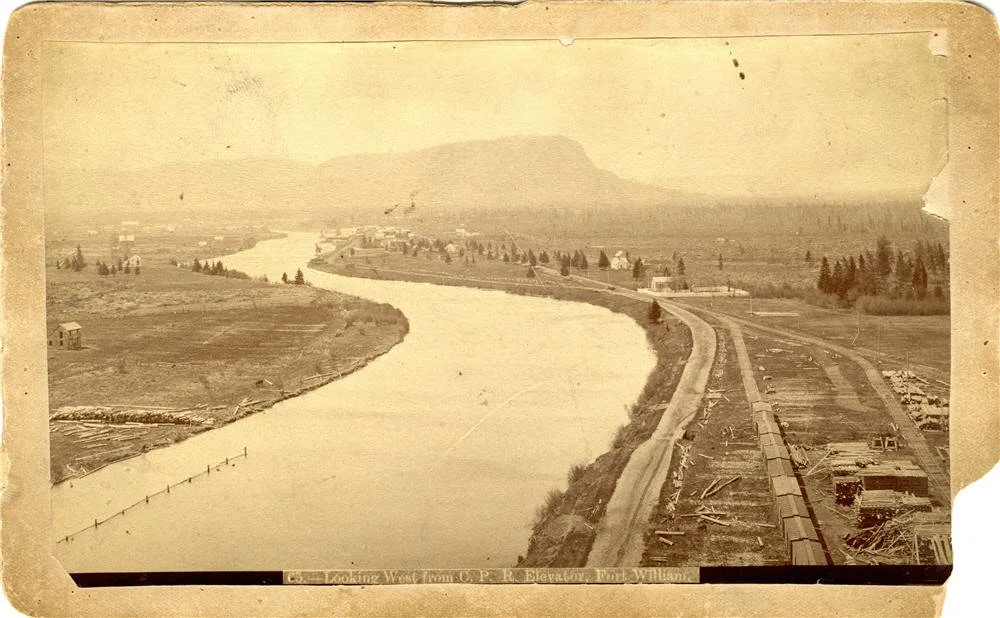
Looking down the Kaministiqua River toward Anemki Wajiw (“Thunder Mountain” / Mount McKay). Photo from 1884. Source: Thunder Bay Archives.

Finnish History & Heritage in the Changing Thunder Bay Landscape
Finnish migration has significantly marked the history and culture of Thunder Bay. The area continues to boast one of the largest Finnish communities in the world. Yet, over the last decade, a growing number of Finnish cultural spaces and businesses have disappeared from the Thunder Bay landscape.
Finnish Labour Temple
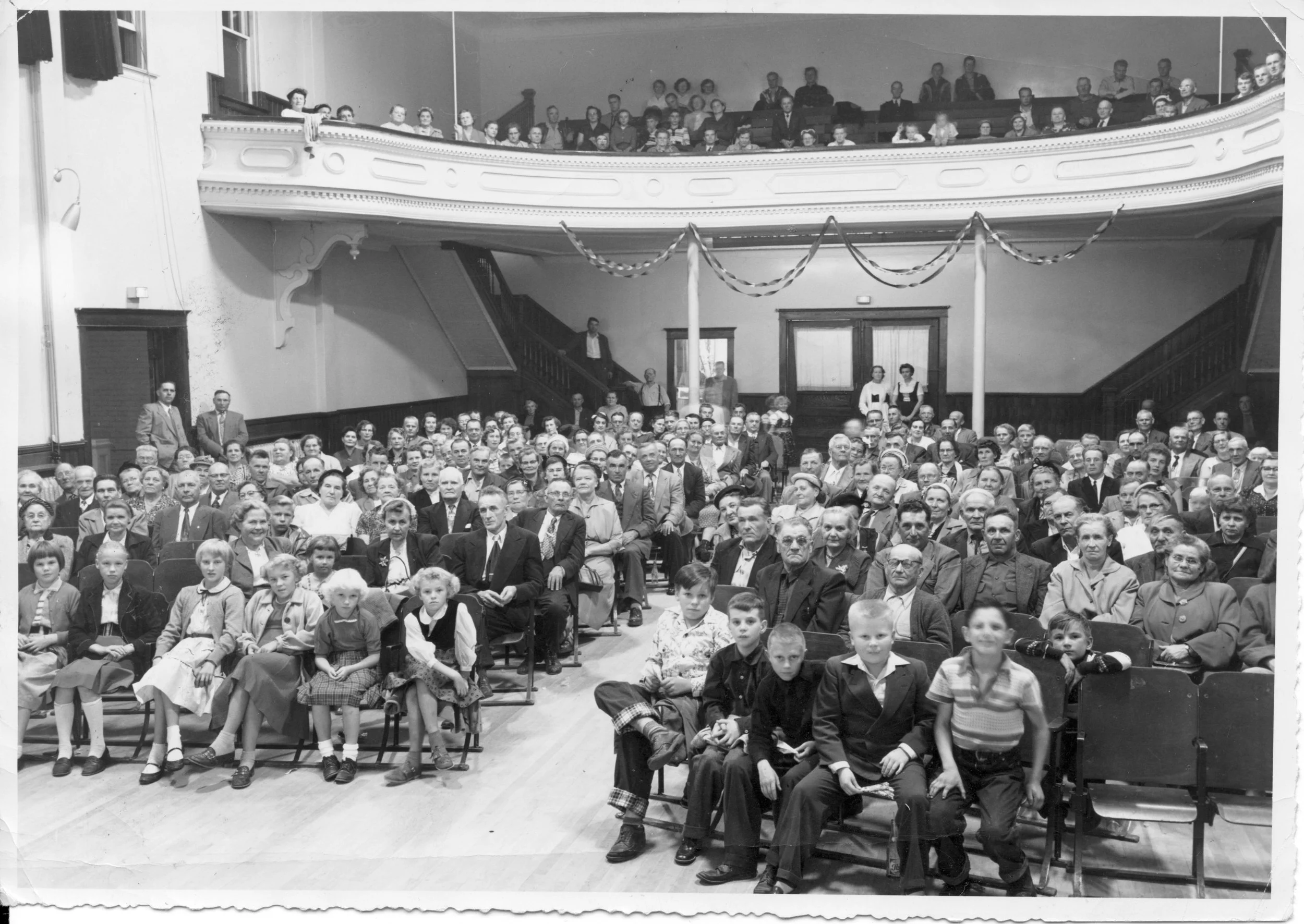
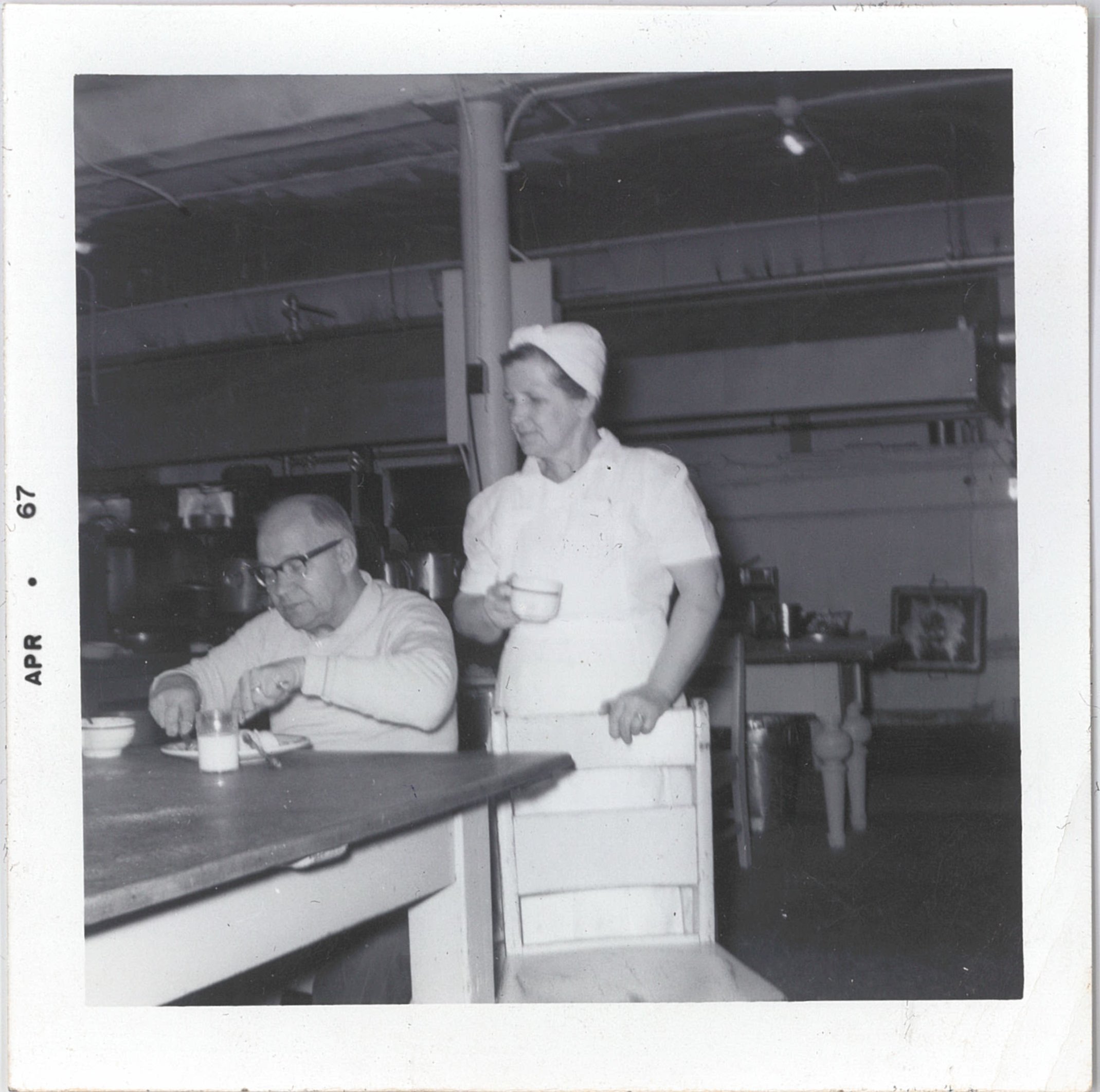
The Finnish Labour Temple was born out of optimism and the belief that the world could be made more equitable for all by empowering workers, newcomers, women, and children. A cooperative project of the Finnish Workers’ League Imatra and Uusi Yritys (New Attempt) Temperance Society, construction began in 1908 and in 1910, the Finnish Labour Temple opened its doors at 314 Bay Street. For the first half of its existence, the Finnish Labour Temple was firmly tied to the revolutionary Left. The Työkansa socialist newspaper, which published between 1907-1915, moved into the Labour Temple building upon its completion. The Hoito (“hoito” means care in Finnish) was founded with $5 loans from members, as a not-for-profit restaurant to serve low-cost, home-style Finnish meals to hungry workers. Operating from 1918 to 2020, the Hoito became a favourite of the broader Thunder Bay community.
As the socialist Finnish immigrant community searched for its place within the burgeoning landscape of revolutionary politics in Canada, the Finnish Labour Temple community moved through affiliations with the Socialist Party of Canada, the Social Democratic Party of Canada, and the One Big Union – all within the first decade. By 1919, tensions grew between direct-action syndicalists and those moving ideologically toward what would become the Communist Party of Canada. The syndicalists affiliating with the Industrial Workers of the World (IWW or Wobblies) gained control of the “Big Finn Hall,” while the Communists moved next door to 316 Bay Street to found the “Little Finn Hall.” The Finnish Labour Temple of the Wobbly Finns slowly transitioned into the Finlandia Club of Port Arthur in the 1960s, with a new wave of more conservative Finnish immigrants. The Club continued to evolve, becoming the Finlandia Association to usher in a much-needed restoration and renovation project in the early 2000s.
The Finlandia Association of Thunder Bay functioned as an active community organization and managed the restaurant and unique event venue. However, it had become burdened by significant financial difficulties. The Association’s debts were largely the result of completing the renovation of the building in 2010-2013 that was meant to serve the Labour Temple well into its next century. In May 2020, two months after COVID-19 had closed the Association’s Hoito Restaurant, the burden was finally too great and the organization was forced to dissolve and liquidate its assets. The September 25th announcement of the Finnish Labour Temple’s purchase by a real estate agent based in Barrie, Ontario. With building gutted of its historic interior, it was redeveloped to serve as “luxury” condos. However, on the night of December 22, 2021, with renovations underway, the building was completely destroyed by fire.
Generations of Thunder Bay area folks have memories of the bustle of the “haali.” In its first decades, the Big Finn Hall was an incomparable hub of cultural and political activities, including: political lectures, debates, and discussion groups, dances, theatre, orchestras, gymnastics, wrestling, boxing, children’s socialist Sunday schools, women’s sewing circles, English language lessons, an exceptionally well-stocked reading room, and always a warm cup of coffee. There, the community ate together, everyone able chipping in, children played and when the adult talk or dancing went late into the evening, the young ones were put to sleep on a bed of coats in the cloakroom. When the community fell on hard times, the Hall sheltered homeless striking workers.
For further reflections on the loss of the community hall, see: “On Grieving the Finnish Labour Temple and the Promise of the Community Hall” by Samira Saramo, Active History (2020)
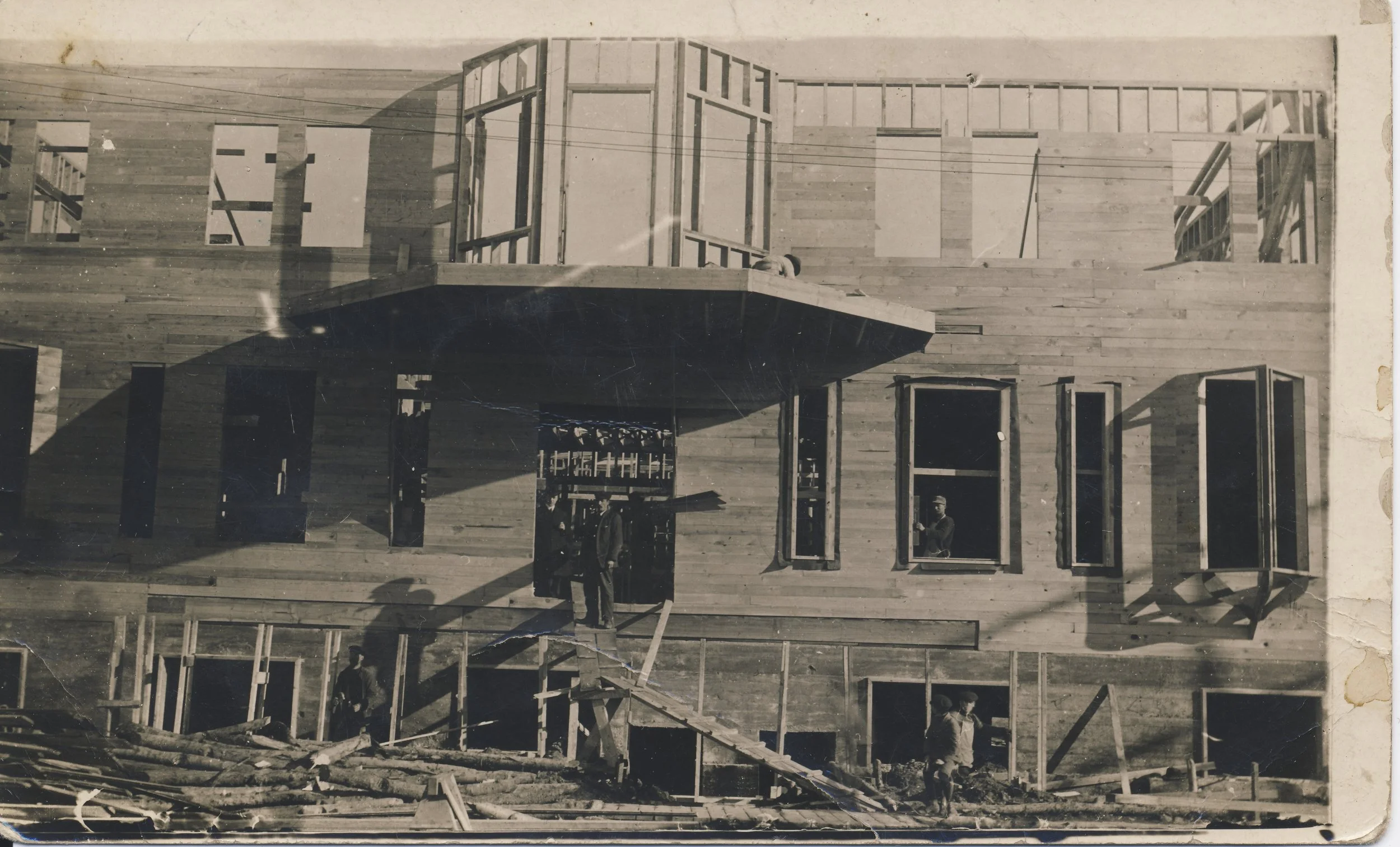
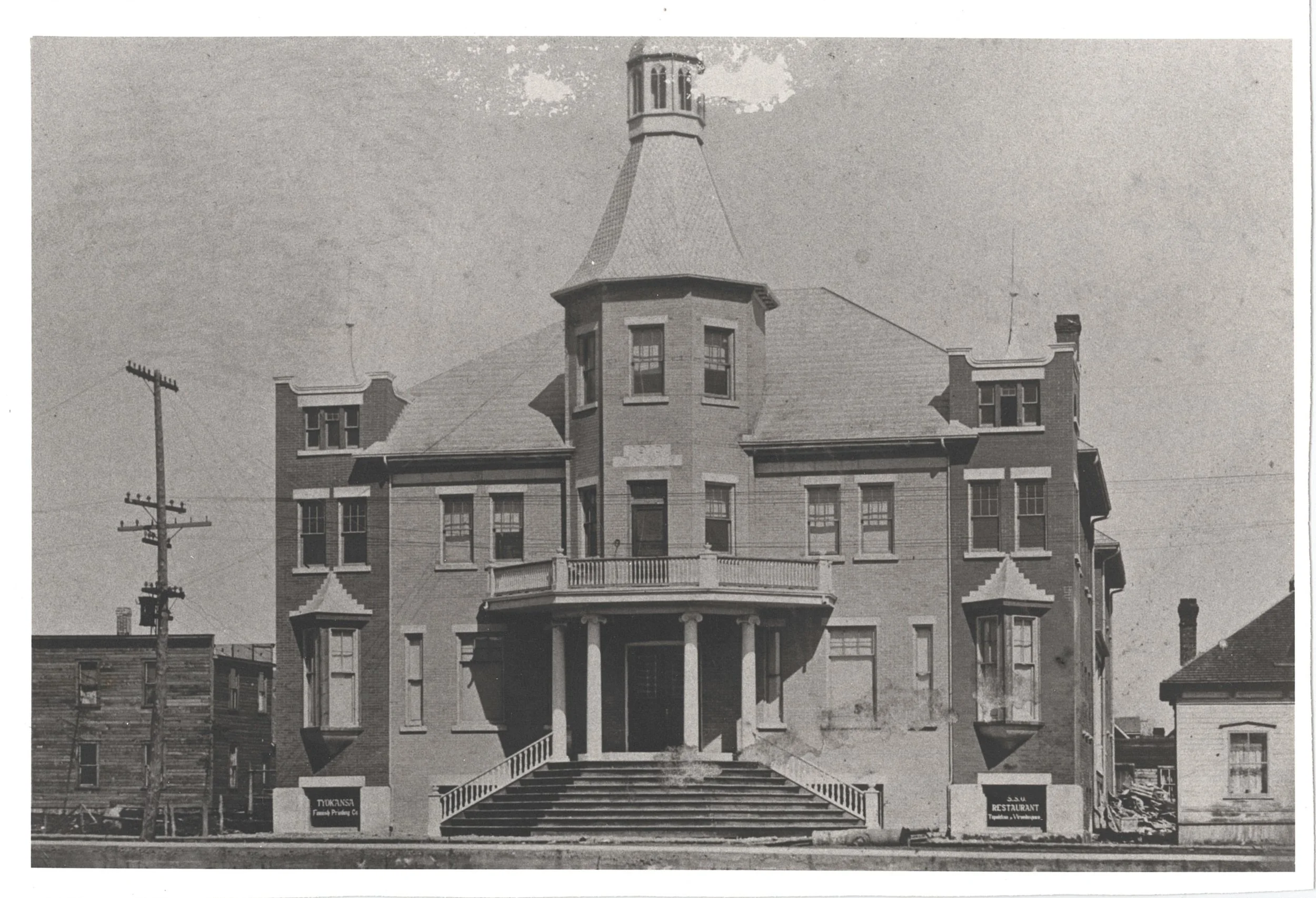

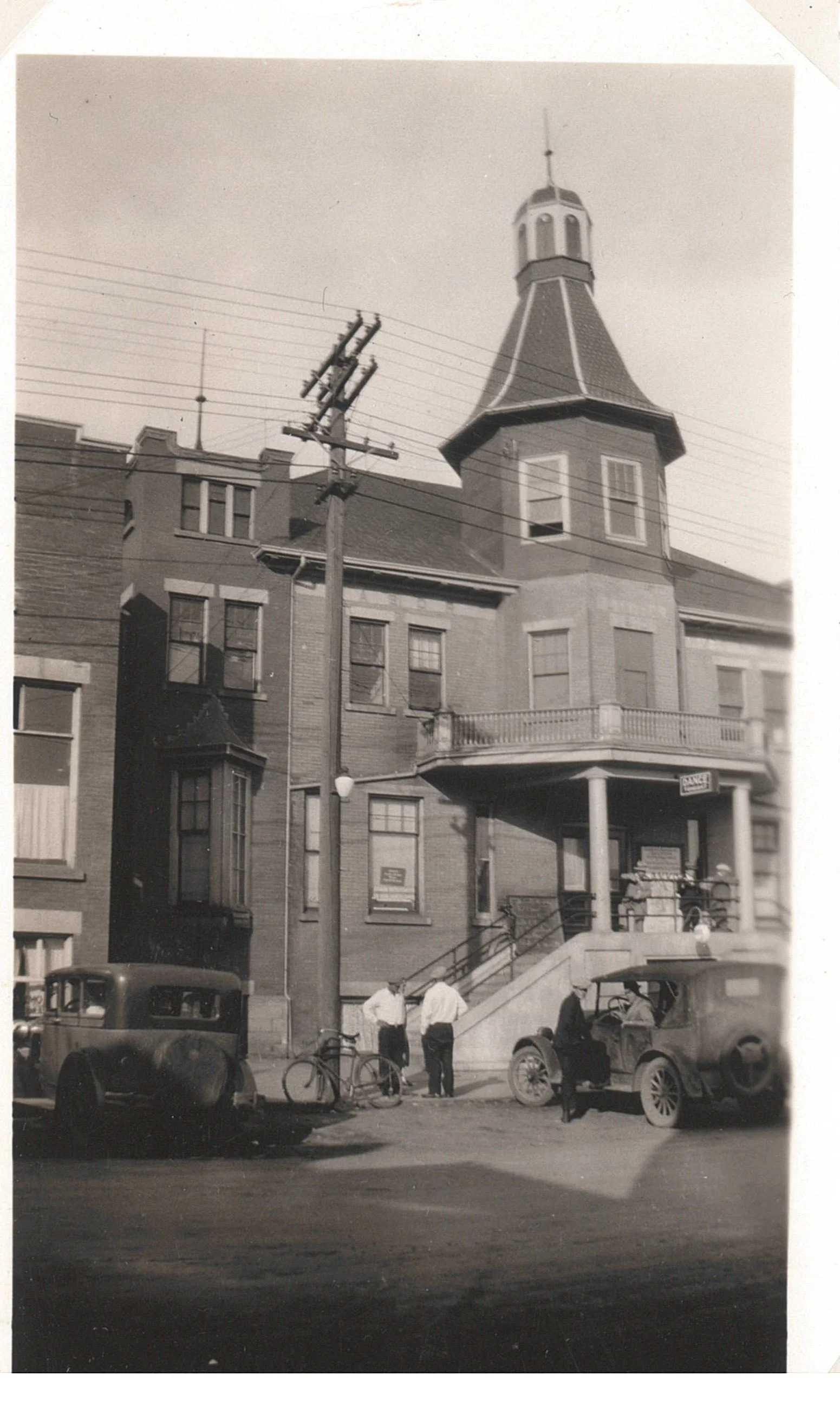
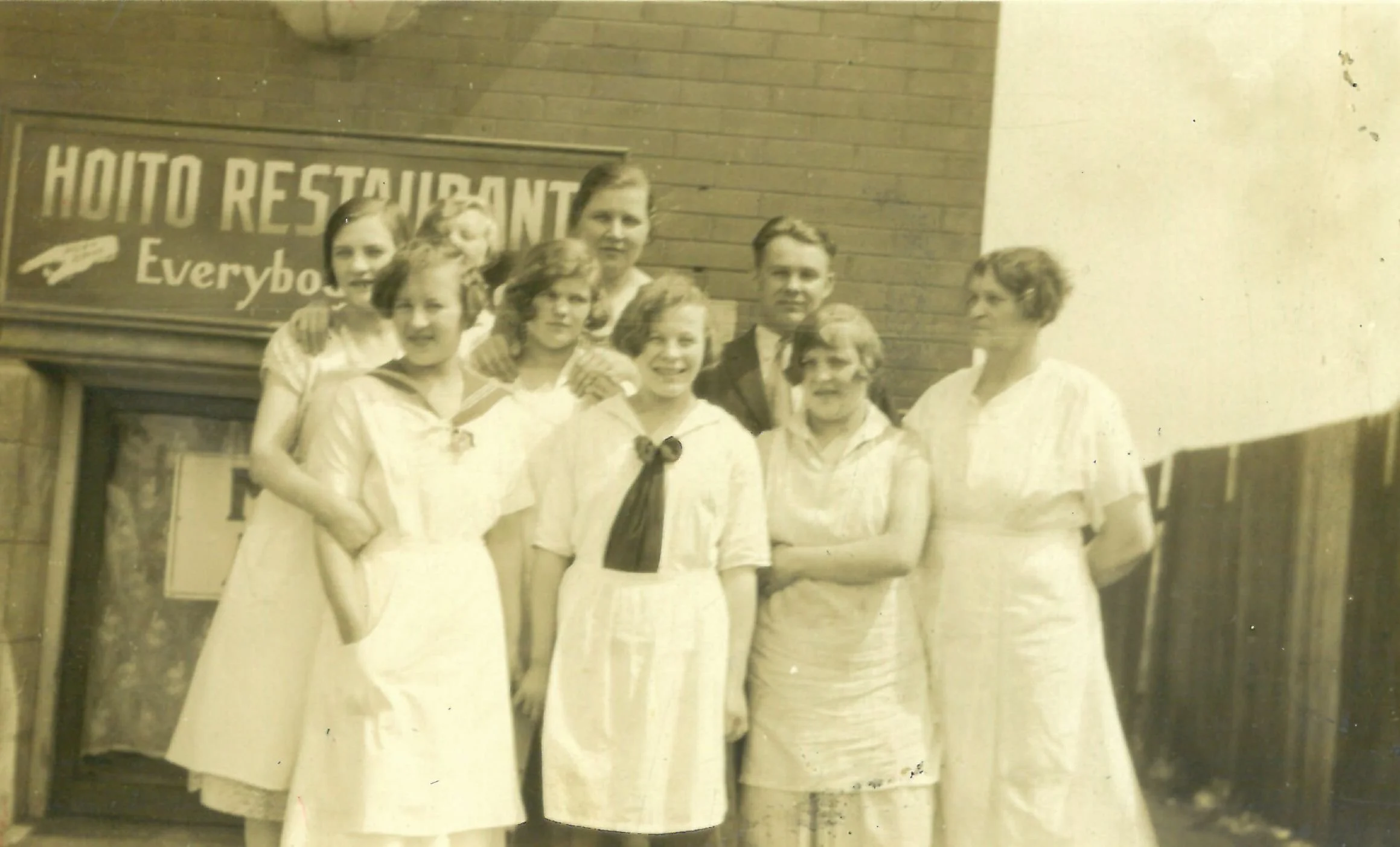
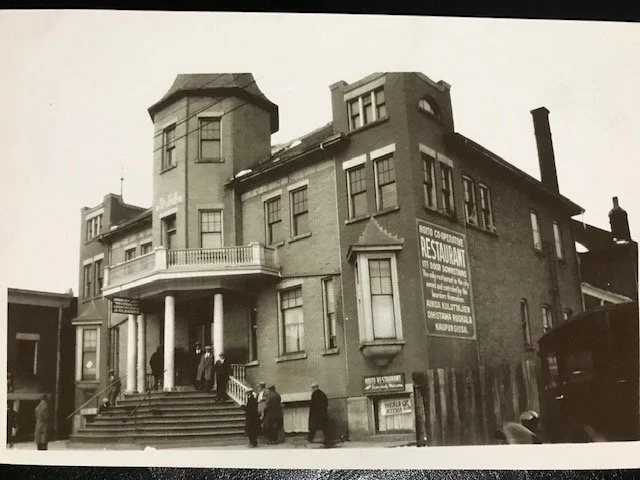
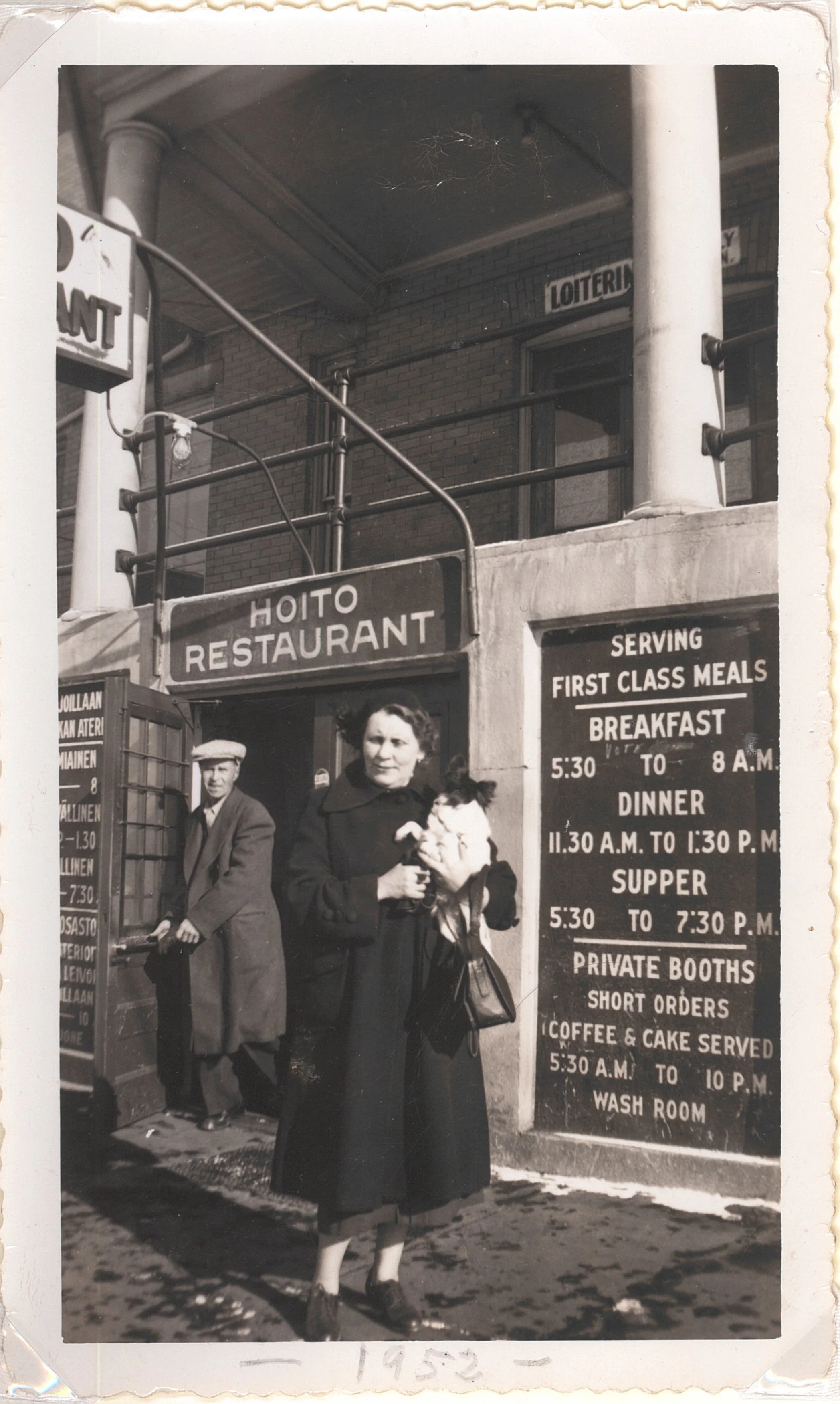
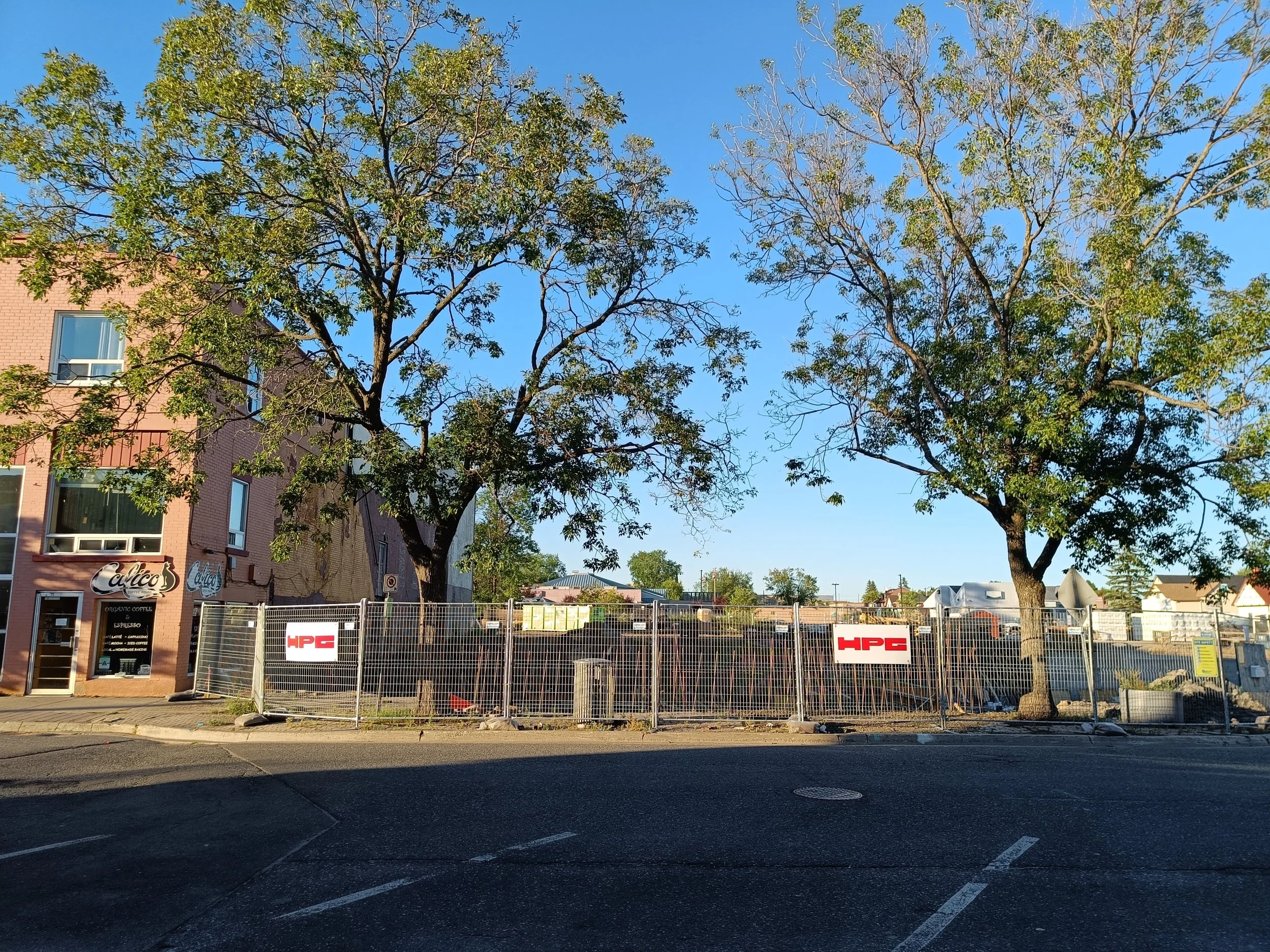
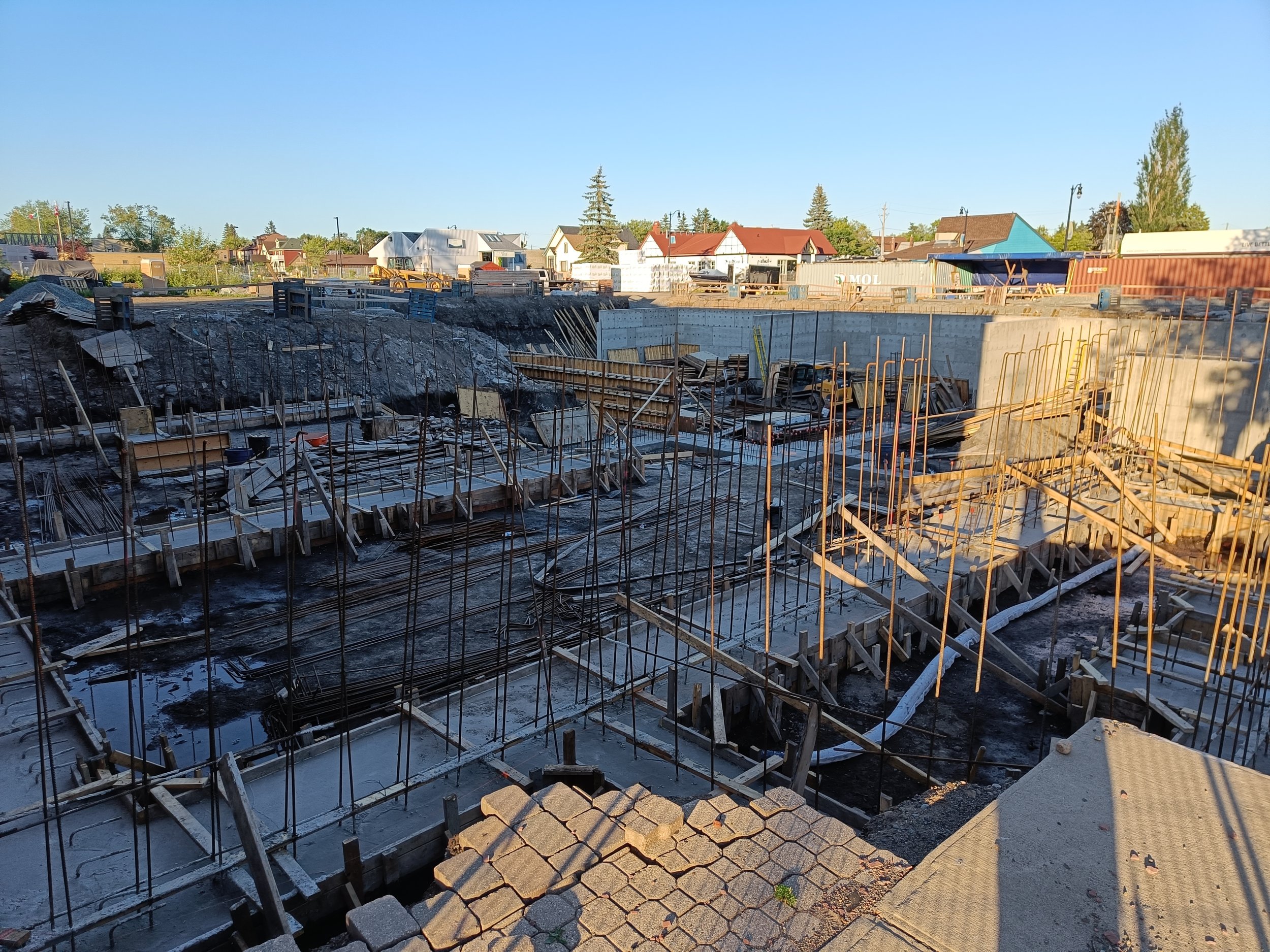
In August 2022, I spent some time taking in the site of the Finnish Labour Temple, after its destruction. In addition to the immense loss of the Finnish cultural space, the loss of the Labour Temple markedly impacts the space of the Bay-Algoma neighbourhood.
Additional Resources
“Lakehead Finns” is a digital project that explores Finnish labour history in the Thunder Bay area: www.lakeheadfinns.ca
Eldon Oja, Who Were the Fort William Finns (2024)
Thunder Bay Finnish-Canadian Historical Society’s Project Bay Street, Vol. 1 (Finnish community pre-1914) and Vol. 2 (rural settlement) from the 1970s still remain important sources on the Thunder Bay area’s Finnish settler history